
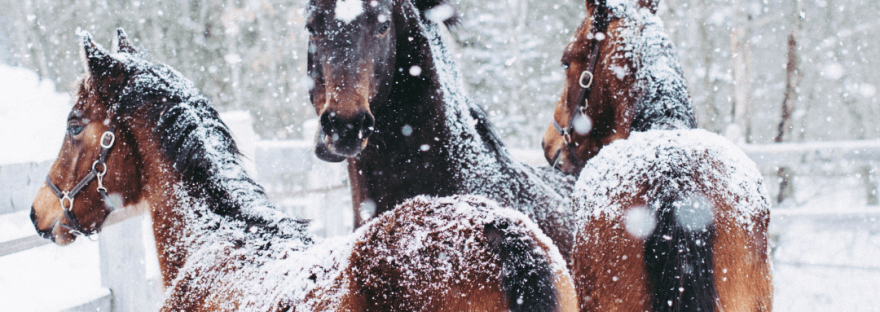
The Arctic, with its breathtaking landscapes and extreme weather conditions, presents unique challenges and opportunities for horse owners. While these majestic animals are known for their adaptability, thriving in such an unforgiving environment requires more than just their natural resilience. In this blog, we’ll explore the life of horses in Arctic winters—how they adapt, the cultural significance of keeping horses in such regions, and practical advice for their care.
1. Horses in the Arctic: A Brief History
Horses have been part of Arctic life for centuries, although they are not native to the region. Brought by settlers or explorers, horses have historically been used for:
- Transportation: Hauling goods and carrying riders across snowy landscapes.
- Agriculture: Assisting in plowing fields or managing livestock.
- Companionship and sport: Horses often played a role in recreational and community activities, fostering strong bonds between humans and animals.
Today, keeping horses in the Arctic is less about necessity and more about passion, culture, and the joy they bring to their owners.
2. How Horses Adapt to Arctic Conditions
Horses possess remarkable natural adaptations that help them cope with cold climates:
- Thick winter coats: A horse’s winter coat provides insulation, trapping body heat. The hair’s structure also helps repel water and snow.
- Fat stores: Horses naturally increase fat reserves during fall, giving them extra energy and insulation for winter.
- Efficient digestion: The process of fermenting fiber in their hindgut produces heat, making forage a critical part of their diet in cold weather.
However, Arctic conditions often exceed what horses can endure without assistance, necessitating human intervention and care.
3. To Blanket or Not to Blanket: The Great Winter Debate
One of the most debated topics among horse owners in Arctic climates is whether to blanket their horses during the winter. Horses have natural defenses against the cold, but in some cases, a blanket may be necessary. Here’s a closer look at the pros and cons of blanketing:
When Blanketing Might Be Necessary
- Clipped horses: Horses with trimmed coats lack the natural insulation of a full winter coat.
- Senior or unwell horses: Older or sick horses may struggle to maintain their body temperature.
- Severely underweight horses: Those without sufficient fat reserves may need help staying warm.
- Extreme weather conditions: Prolonged exposure to freezing rain or high winds can overwhelm even a horse’s natural defenses.
Risks of Over-Blanketing
- Sweating: Over-blanketing can cause a horse to overheat and sweat, especially during milder days.
- Frozen sweat: In Arctic conditions, sweat can freeze against the horse’s skin, increasing the risk of hypothermia.
- Skin issues: Dampness and heat under a blanket can lead to skin irritations like rain rot.
How to Blanket Safely
- Choose the right blanket: Match the blanket’s insulation to the weather conditions and your horse’s needs.
- Monitor regularly: Check under the blanket for signs of sweating or discomfort.
- Adapt to the weather: Remove or swap blankets as temperatures fluctuate.
- Ensure proper fit: A snug, well-fitted blanket prevents rubbing and allows free movement.
Blanketing isn’t always necessary. For some horses, good shelter, adequate forage, and their natural winter coat are sufficient to keep them warm. The key is to assess your horse’s individual needs and adjust as required.
4. The Arctic Lifestyle: Unique Challenges and Rewards
Keeping horses in the Arctic is not without its rewards. Owners often describe a deep sense of connection with their animals, forged by the challenges of living in such a harsh climate. The lifestyle comes with:
- Scenic beauty: Riding through snowy tundras or beneath the northern lights offers unforgettable experiences.
- Strong community bonds: Arctic horse owners often form tight-knit communities, sharing resources and knowledge to ensure their animals thrive.
At the same time, the challenges are significant. From providing adequate shelter to ensuring a stable food supply, owners must commit to a demanding routine.
5. General Care Tips for Arctic Horses
Shelter and Environment
In regions where temperatures can plummet to life-threatening levels, shelter is critical:
- Build insulated barns or stables to protect horses from frostbite and hypothermia.
- Use windbreaks and paddocks designed to minimize exposure to snow and icy winds.
Nutrition
Cold weather increases caloric requirements. To keep horses healthy:
- Provide ample high-quality hay to meet energy demands.
- Supplement with grains or concentrated feeds for additional calories.
- Ensure access to salt and minerals, as snow-covered ground lacks these nutrients.
Hydration
Ice-free water is non-negotiable. Horses can suffer from dehydration even in freezing weather:
- Use heated water buckets or troughs.
- Regularly monitor water intake to prevent colic and other health issues.
Hoof and Coat Care
Snow and ice present unique risks for equine health:
- Remove snowballs that accumulate in hooves, which can cause discomfort or slips.
- Maintain hooves to prevent cracking or ice buildup.
- Avoid over-grooming—horses rely on natural oils in their coats to stay warm.
6. The Cultural Significance of Horses in the Arctic
In many Arctic regions, horses hold cultural significance:
- Symbols of endurance: Horses are seen as emblems of strength and adaptability, much like the communities that thrive in these environments.
- Tradition and heritage: In regions like northern Scandinavia, Russia, or parts of Alaska, horses are woven into local folklore and traditions.
- Modern roles: Beyond practical uses, horses in the Arctic are increasingly celebrated for recreational activities like sled-pulling or winter sports.
Conclusion: Thriving Together in the Frost
Keeping horses in the Arctic is about more than survival—it’s about embracing a partnership that thrives against the odds. With their natural adaptations, the care and dedication of their owners, and thoughtful decisions like whether or not to blanket, horses can flourish even in the harshest environments. Whether you’re an experienced Arctic horse owner or someone curious about this unique lifestyle, the bond between humans and horses in such an environment serves as a testament to resilience, trust, and mutual respect.
Do you live in an Arctic region or keep horses in cold climates? Share your experiences, tips, or questions in the comments below—we’d love to hear from you!

 Sharlene Frances